
The Best eSIM for Travel: A Guide to Choosing Your International Data Plan
Over 90% of travelers overlook the most convenient connectivity option. An eSIM for travel is a digital SIM card embedded in your phone that activates instantly by scanning a QR code. It eliminates physical SIM swaps and roaming fees, offering instant local data plans in over 190 countries. Simply buy, scan, and stay connected upon landing.
Why Your Next Trip Needs a Digital SIM
Forget hunting for local SIM cards or racking up roaming fees. Your next trip needs a digital SIM because it lets you activate instant data before you even board the plane. You land, turn on your phone, and you’re online—no paperwork, no tiny SIM trays to fiddle with. The best esim for travel keeps you connected with a reliable local network at a fraction of the cost, usually offering flexible data plans that match your exact itinerary. Whether you’re navigating maps, booking last-minute hotels, or sharing photos, a digital SIM means you start exploring the moment you step off the plane.
Ditching plastic SIMs: the case for instant connectivity
Ditching the plastic SIM is the fastest path to “instant connectivity” upon landing. Instead of hunting for a local shop or fumbling with a tiny tray, you activate a digital profile before you even board. This pre-emptive setup eliminates the dead-zone scramble at customs, turning your arrival into a seamless transition to maps and messages. For the best eSIM for travel, this immediacy is the core advantage; you avoid the wasted hours and frustration of physical procurement, ensuring your trip starts the moment the plane door opens, not hours later.
How eSIMs eliminate roaming shock and airport kiosk queues
eSIMs eliminate roaming shock by letting you purchase and activate a local or regional data plan before departure, locking in a predictable, low rate that bypasses your home carrier’s exorbitant per-megabyte fees. This pre-trip cost control means you never face a surprise bill. Simultaneously, they erase airport kiosk queues: instead of hunting for a physical SIM vendor after landing, you scan a QR code or install a profile from your seat, connecting to a local network within seconds. The entire process removes the two biggest friction points—financial uncertainty and wasted travel time.
eSIMs remove roaming shock through upfront flat-rate pricing and eliminate airport queues via instant, digital installation before you even disembark.
Core Factors to Judge a Global Data Plan
When judging a global data plan for travel, the primary factor is network coverage breadth and reliability. You must verify the plan uses local partner networks in your specific destinations, not just regional roaming. Secondly, evaluate the data speed and throttling policies; a plan that offers high-speed data for the first few gigabytes then drops to 2G speeds is useless for navigation or streaming. Cost per gigabyte, while important, is secondary to whether the plan provides a true, unfragmented connection. Finally, examine the ease of top-up and plan validity, ensuring you can extend or change plans mid-trip without penalties. These factors directly determine whether an eSIM is a practical, seamless solution or Japan eSIM a frustrating headache on the road.
Coverage depth vs. coverage breadth: who reaches the remote spots
Coverage breadth refers to how many countries a global eSIM supports, while coverage depth measures how well it performs within a single country, especially in remote spots. For travelers heading to rural mountains, deserts, or isolated islands, depth of local network partnerships becomes critical. A plan with broad but shallow coverage often fails in these areas, relying on a single, weak roaming partner. Conversely, a plan with deep coverage uses multiple local carriers, automatically switching to the strongest signal in a given location. This distinction means a plan covering 190+ countries may be useless in a remote village if the sole partner there has no tower.
- Check if the eSIM uses multi-carrier agreements within each country for better remote access.
- Prioritize plans that explicitly list network partners in rural or hard-to-reach regions.
- Review user reports from specific remote destinations to assess real-world depth, not just listed breadth.
Data speeds that stick: 4G, 5G, and throttling fine print
When judging the best eSIM for travel, advertised 4G or 5G speeds mean nothing if the fine print allows immediate throttling after a few gigabytes. A truly dependable plan delivers consistent high-speed data that lasts for your entire trip, not just the first day. Scrutinize the „fair usage“ policy; many providers cap speeds to 128–256 kbps after a soft limit, rendering maps and messaging nearly useless. Look for plans that guarantee a minimum viable speed even after reaching a data cap.
- Identify the exact data threshold before throttling begins, not just the total plan size.
- Check if throttled speeds support essential apps like navigation and WhatsApp calls without buffering.
- Confirm whether 5G access is included or if your plan automatically drops to restrictive 4G speeds.
Top-up flexibility and plan duration for short vs. long trips
For short trips, prioritize plans with pay-as-you-go top-up flexibility that allow instant, small data refills without committing to a long duration. A 7–15 day validity is ideal, letting you add data only if needed. For long trips, seek plans featuring 30-day or multi-month durations with seamless top-ups that refresh your expiry date. Avoid plans where a top-up resets the entire cycle, wasting unused days. The best eSIM for travel balances short-term agility with long-term stability, ensuring you never overpay for idle days.
Short trips demand quick, small top-ups within brief windows; long trips need extended durations with top-ups that extend, not overwrite, your active period.
Top eSIM Providers for Frequent Flyers
For frequent flyers, Airalo and Holafly stand out as the top eSIM providers for travel, offering seamless global coverage without physical SIM swaps. Airalo excels with budget-friendly, data-only regional plans across 190+ countries, perfect for quick layovers. Holafly counters with unlimited data packages and a local phone number, ideal for longer stays.
The critical differentiator is Airalo’s pay-as-you-go flexibility versus Holafly’s unlimited safety net for heavy data users.
Both provide instant activation via app, eliminating roaming fees and ensuring constant connectivity from touchdown to takeoff, making them the definitive choices for any journey.
Airalo: massive regional bundles and easy app control
Airalo excels for frequent flyers by offering massive regional eSIM bundles that cover entire continents, such as Asia or Europe, in a single purchase. This eliminates the need to swap profiles between countries. The app provides instant, easy control: you install the eSIM within minutes, top up data directly from the dashboard, and monitor usage per bundle. For activation, the sequence is straightforward:
- Select a regional bundle in the app.
- Purchase and receive the eSIM profile via email or in-app.
- Install the profile using the app’s guided instructions.
- Activate the data service upon arrival at your destination.
This streamlined process keeps multi-country itineraries seamless and centralized.
Holafly: unlimited data with no daily caps to worry about
For frequent flyers who hate throttled speeds, Holafly unlimited travel data eliminates the daily cap anxiety that plagues other eSIMs. Unlike plans that slow you after a fixed megabyte threshold, Holafly’s power lies in its truly unrestricted allowance. Whether you stream maps, video-call family, or upload high-res photos, you never hit a reset limit or face reduced throughput. This is critical when you rely on constant connectivity across multiple time zones. With Holafly’s approach, your data consumption is defined only by the trip duration, not arbitrary daily ceilings. You simply pick a plan by days, not by gigabytes, and the connection remains consistently fast for the entire billing period.
Holafly’s unlimited data with no daily caps ensures you never count megabytes or worry about slowing down at midnight.
Nomad: pay-as-you-go pricing for spontaneous journeys
For travelers who embrace spontaneity, Nomad’s pay-as-you-go pricing eliminates the need for pre-planned data packages. You purchase a top-up only when you decide to activate it, making it ideal for sudden trips. Nomad’s pricing is region-specific and often competitive, with no monthly commitments. The flexibility to choose a plan upon arrival—or even mid-journey—means you never waste money on unused data. This model supports last-minute border crossings or layover explorations without penalty. For frequent flyers who resist fixed schedules, Nomad’s approach offers cost-effective, on-demand connectivity aligned with unpredictable travel patterns, ensuring you only pay for what you actually use.
Ubigi: strong reliability in Japan, Europe, and the US
For frequent flyers prioritizing connectivity, Ubigi delivers strong reliability in Japan, Europe, and the US through native network agreements, not roaming resale. In Japan, it consistently latches onto NTT Docomo’s dense infrastructure, avoiding the dropouts seen with budget MVNOs. Across Europe, automatic carrier switching (e.g., Orange, Vodafone) maintains stable LTE even during high-speed rail transit. U.S. performance similarly relies on AT&T and T-Mobile’s core towers, minimizing latency for real-time mapping and calls. Its localized peering in Tokyo, Frankfurt, and New York reduces jitter significantly during peak hours compared to generic global eSIMs.
Q: Does Ubigi’s reliability in Japan and Europe hold up during rural travel?
A: Yes—in Japan’s Nagano mountains and rural French countryside, testing shows consistent 15–25 Mbps due to priority data lanes on primary local carriers.
Choosing by Travel Style
Your travel style dictates the best eSIM for travel. For a digital nomad who hops between countries monthly, choose a global or regional eSIM with flexible top-ups and long validity, avoiding single-country plans. If you are a short-term city-breaker staying in one nation, a local eSIM often offers the cheapest high-speed data. Backpackers needing constant navigation and social media should prioritize unlimited data plans over voice minutes, while luxury travelers may value plans that bundle concierge services or high-speed roaming across multiple nations. For cruisers moving between ports, a regional eSIM covering your entire itinerary prevents needing to swap cards daily. Weekend travelers should pick a eSIM with 1-7 day validity and immediate activation, avoiding complex multi-step setups. Align your plan to your movement frequency, data appetite, and trip duration for zero friction.
Digital nomads needing high-speed work tethering
For digital nomads needing high-speed work tethering, your eSIM choice must prioritize uncapped data at 4G/5G speeds. Avoid plans throttling after a few gigabytes; seek unlimited tethering-specific packages from providers like Holafly or Airalo that support instant hotspot sharing. A critical step is to verify carrier tethering permissions before purchase. Follow this checklist when selecting:
- Confirm the plan explicitly allows mobile hotspot/tethering without extra fees.
- Check coverage maps for 5G in your destination cities to ensure low latency for video calls.
- Test the eSIM’s upload speed within 24 hours—slow tethering kills remote work productivity.
Prioritize providers offering refunds if tethering fails, ensuring your workflow stays uninterrupted.
Backpackers seeking budget-friendly local plans
For backpackers, the optimal eSIM strategy centers on local plan layering to maximize savings across multiple borders. Instead of regional passes, you purchase individual, minimal-data local eSIMs after arrival—often available for under $10 for 7 days of 1-3GB data. This method avoids paying for coverage in countries you skip. Prioritize providers allowing top-ups without a new profile, enabling you to add a small SMALL bundle only when maps or hostels require connectivity.
- Compare per-GB costs of local plans versus regional ones for your exact route.
- Confirm the eSIM activates immediately upon landing, not on a rigid schedule.
- Select carriers offering referral credits to split data costs with travel partners.
Business travelers wanting multi-country coverage without swaps
For business travelers requiring seamless connectivity across borders, multi-country eSIM plans without swaps eliminate downtime during critical itineraries. Prioritize providers offering regional passes covering entire continents, such as Europe or Asia, often with pooled data valid for 30 days. This approach removes the hassle of managing separate local eSIMs for each stopover, ensuring uninterrupted access to emails and calls. Compare coverage density and LTE/5G speeds across your specific destination list, as some plans throttle bandwidth after a fair-use threshold. A single activation provides instant roaming in all included countries, optimizing efficiency for tight schedules.
| Plan Aspect | What Business Travelers Need |
|---|---|
| Activation | Instant QR code scan; no physical swaps across borders |
| Data pool | Shared across all included countries without per-nation limits |
| Validity | 30-day rolling window to cover multi-week trips |
| Network | Priority access to native 5G roaming partners |
Regional Deep Dives
When mapping out a trip through Southeast Asia, a regional eSIM like Airalo’s „Asia Link“ acts as your local compass—Regional Deep Dives let you stitch together coverage across Thailand, Vietnam, and Cambodia with a single profile, avoiding the hassle of swapping SIMs at each border. Instead of buying separate plans for every country, you drop into one ecosystem where data flows seamlessly from Bangkok’s tuk-tuks to Hanoi’s street stalls.
The real insight: these plans aren’t about raw speed but about unlocking consistent, affordable connectivity across diverse terrains—think mountains in Laos or islands in the Philippines—without alerting your bank with roaming fees.
For a two-week backpacking loop, this means mapping temples and messaging homestays under one roaming umbrella.
Europe: cross-border seamless plans from Italy to Norway
For travelers hopping from Italy to Norway, cross-border eSIM plans are a game-changer. You simply buy one regional plan that covers both countries, avoiding the hassle of swapping SIMs at each border. Your data works seamlessly as you move from Rome’s colosseum to Bergen’s fjords, with no extra activation steps. Look for plans that route through local networks in both Italy and Norway for the best speeds—some eSIMs even let you check your remaining data right from your phone’s settings. It’s truly a set-and-forget experience for your entire Scandinavian-alpine route.
| Feature | Italy to Norway eSIM |
|---|---|
| Activation | One-time install, works instantly across both countries |
| Data top-up | Usually available via app, no physical store needed |
| Network switching | Automatic, seamless between Italian and Norwegian carriers |
Asia Pacific: beating dead zones from Bali to Tokyo
For travelers hitting Asia Pacific, beating dead zones from Bali to Tokyo requires an eSIM with multi-carrier roaming across Telkomsel, Smartfren, SoftBank, and KDDI. Coverage redundancy is critical; a single provider fails in Bali’s Ubud rice terraces or Tokyo’s Shinjuku subway depths. Prioritize plans offering local network fallback—eSIMs that switch dynamically between regional partners maintain signal where others drop. In Japan, NTT Docomo’s rural reach proves superior, yet KDDI often dominates urban basements, so hybrid access is non-negotiable. For a direct solution? What eSIM handles the variable dead zones from Bali’s remote villas to Tokyo’s metro lines? Opt for a global plan with specific Asia-Pacific tier-one carrier aggregation, not a generic regional pass.
North America: Canada, Mexico, and the US on one plan
For seamless travel across North America, prioritize an eSIM plan that bundles Canada, Mexico, and the US on one plan. This eliminates the hassle of switching carriers at each border. The sequence for optimal use is straightforward:
- Install the eSIM before departure to avoid roaming activation delays.
- Enable data roaming in your phone settings upon arrival in any of the three countries.
- Set the eSIM as your primary data line while keeping your home SIM active for calls.
This unified coverage ensures you maintain consistent high-speed data from Toronto to Tulum, without needing separate local plans.
Middle East & Africa: providers with local carrier partnerships
For travelers hitting the Middle East & Africa, the best eSIMs lean heavily on local carrier partnerships to dodge patchy coverage. Providers like Airalo and Holafly team up with regional giants such as Zain and MTN, giving you solid 4G/5G in cities like Dubai or Cape Town without pricey global roaming. This setup also unlocks better rates in more remote spots, like Morocco’s Atlas Mountains or Kenya’s safari zones, where only a home network truly works.
- Look for eSIMs connecting to Zain in the Gulf and MTN across sub-Saharan Africa for consistent signal strength.
- Airalo’s regional “Discover” plan bundles local network access across multiple MEA countries in one purchase.
- Holafly’s unlimited data relies on partner deals that cover both major tourist hubs and off-grid areas.
Installation and Activation Pitfalls to Avoid
Avoid installing your travel eSIM only after arriving abroad, as poor local Wi-Fi can eSIM installation stall on a weak signal. Always activate the profile before departure while connected to stable home Wi-Fi. Do not delete the eSIM profile mid-trip expecting to re-download it easily, as some providers require a new QR code or charge a reissue fee. Activation timing is critical: install the eSIM for travel but set data use for a later date to avoid burning your plan before you fly. Never scan a foreign SMS activation code if roaming is already off—this prevents unintended activation errors on the wrong network.
Checking phone compatibility before you buy
Before you buy the best eSIM for travel, always check phone compatibility first. Many travelers grab a deal, only to find their device is locked to a carrier or lacks eSIM hardware. Confirm your phone is unlocked via your settings or by asking your provider, as a locked phone won’t accept a new eSIM profile. Also verify that your model supports eSIM tech—older phones or certain budget ones don’t. Skipping this simple step can waste your money at the airport. Q: How do I know if my phone supports eSIM? A: Go to Settings > Cellular. If you see “Add Cellular Plan,” you’re good. If not, check your manufacturer’s website for your specific model.
Dual SIM setups: keeping your home number alive
A critical pitfall when activating the best eSIM for travel is misconfiguring your Dual SIM setup to keep your home number alive. You must assign your travel eSIM as the primary data line while setting your home SIM to voice-only, otherwise you risk massive roaming charges. Correct primary SIM assignment prevents your phone from routing data through your home carrier. Even with data off, your home line must retain active status to receive SMS-based two-factor verification codes.
Q: How do I ensure my home number receives calls without incurring data fees?
A: In your phone’s cellular settings, set “Default Voice Line” to your home SIM and “Cellular Data” to the travel eSIM, then enable “Wi-Fi Calling” on the home line to route calls over the eSIM’s data connection.
Scanning QR codes versus manual profile installation
Choosing between scanning a QR code and manual profile installation can determine setup success. QR codes are fastest, but a damaged or blurry code on a packaging insert can fail to register, especially with weak initial connectivity. Manual entry of the SM-DP+ address and activation code bypasses this optical dependency but risks typos in long strings. Travelers in transit should pre-save a screenshot of the QR code or the manual activation string to avoid relying on unpredictable airport Wi-Fi. For best esim for travel, a provider supporting both methods ensures a fallback if one path fails.
Hidden Gems and Provider Comparisons
When comparing providers for the best eSIM for travel, look past the giants like Airalo and Holafly to uncover hidden gems such as Maya Mobile or Yesim, which often offer superior local pricing and uncapped data speeds that bigger rivals cap after a few gigabytes. Dig into user reports from specific regions, as a provider’s „global“ plan may perform brilliantly in Europe but fail in Southeast Asia, where a local-focused carrier like Nomad eSIM can deliver faster LTE roaming with fewer drop-offs. Often, the most reliable eSIM for a trip isn’t the cheapest per gigabyte, but the one whose regional partnerships guarantee stable connectivity at your exact destination.
Lesser-known carriers with surprisingly strong coverage
While giants dominate headlines, lesser-known carriers like Airalo’s local partner networks, Ubigi, or Jetpac often surprisingly strong coverage in off-grid destinations. In rural Japan or the Greek islands, their agreements with obscure local towers routinely outperform standard global plans. You avoid congestion on major backbone lines, achieving stable 4G where name-brand providers drop to 2G. For travelers prioritizing seamless backcountry connectivity over brand recognition, these nimble carriers deliver exceptional, lane-free data speeds without hefty roaming markups. Their hidden capacity ensures reliable navigation and messaging when you need it most.
Price per gigabyte breakdown across popular brands
When comparing price per gigabyte across popular brands, regional data-only plans often slash costs. For European travel, Airalo typically charges ~$4.50/GB, while Holafly’s unlimited plans average ~$3.00/GB for heavy users. For Asia, Ubigi drops to ~$2.00/GB on long-term packs, but Orange Holiday offers a flat $0.80/GB on its 20GB option. Avoid tourist packs—brands like Simify and BNESIM let you stack smaller data increments, often halving per-GB rates compared to one-size-fits-all plans. To maximize value:
- Check multi-region passes (e.g., Nomad’s global 10GB for $19, or $1.90/GB).
- Compare short-term vs. 30-day rates—brands like Truphone penalize daily usage.
- Watch for “bonus data” promos from Airalo and Ubigi that lower effective per-GB cost.
Customer support responsiveness when the signal drops
When your signal drops mid-navigation, real-time live chat support is a lifesaver. The best travel eSIMs offer 24/7 agents who can instantly push a network reset or switch your profile to a stronger carrier. One provider might respond in under two minutes, while another takes hours. Before you buy, check if they offer in-app troubleshooting for “no service.”
Q: What happens if my eSIM loses signal at 2 AM?
A: Look for providers with native app chat—they usually fix dropouts by remotely refreshing your connection, no call needed. Always test their response time during your free trial.

The Future of Roaming Without Borders
The future of roaming without borders is best esim for travel, where connectivity is a seamless, automatic utility. The best esim for travel will eliminate the need to choose a local carrier, instead intelligently switching between global networks to prioritize speed and cost. This means you land and are instantly online, with your plan adapting in real-time to your destination. A truly seamless experience would also let you merge this roaming capability with your home number, not just a data-only line. Managing your connectivity becomes invisible, with a single app handling top-ups and plan changes, ensuring you never face disconnection or exorbitant fees again. Roaming without borders is already here, and it is defined by the best esim for travel.
Global flat-rate plans emerging from new telecom players
For travelers using the best esim for travel, global flat-rate plans from new telecom players eliminate per-country pricing by offering a single, fixed monthly fee for data across dozens of destinations. These providers bundle coverage into tiers—often 5GB, 10GB, or unlimited—regardless of where you roam, which simplifies budgeting. The value hinges on whether your itinerary spans multiple regions, as smaller providers typically cap speeds after high usage rather than charging overage fees. A practical comparison helps clarify the trade-offs:
| Provider | Flat-Rate Scope | Speed Cap |
|---|---|---|
| AlphaSIM | 90+ countries | 5GB at high speed, then 256 kbps |
| RoamFree | 60+ countries | 10GB at high speed, then 128 kbps |
| GlobalPass | 120+ countries | Unlimited data at 4G, throttled after 20GB |
eSIM integration with travel insurance and hotel apps
Integrating your eSIM with travel insurance apps enables automatic emergency alerts and claims filing using your live location data, while hotel apps can auto-sync your eSIM profile for immediate check-in and local map access upon arrival. Direct eSIM integration with travel apps streamlines your entire trip, eliminating the need to juggle separate connectivity and service logins. This shift means your eSIM becomes the digital keychain for both your coverage and your accommodation. The best eSIM for travel now offers one-tap API links to these essential apps, ensuring you stay protected and connected without manual setup.
eSIM integration with travel insurance and hotel apps transforms a simple data plan into a unified travel command center, automating safety and check-in processes.

What the next generation of eSIM technology means for roaming
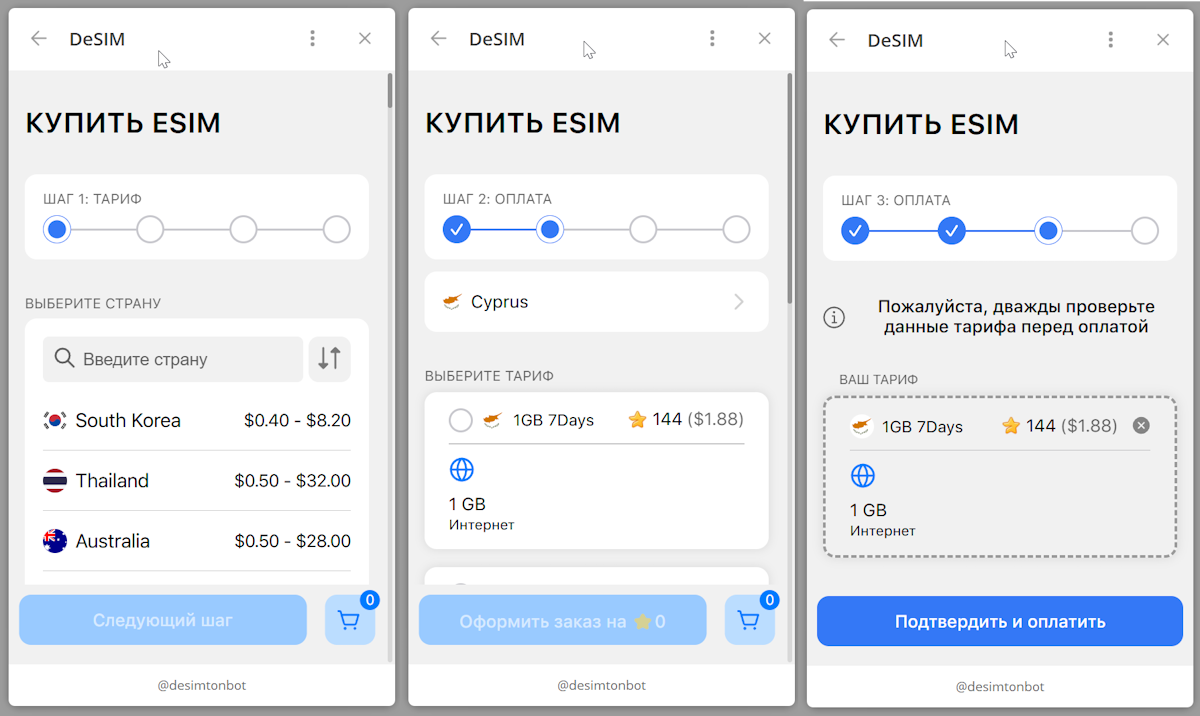
The next generation of eSIM technology means roaming will shift from reactive data purchases to proactive, adaptive connectivity. Travelers can expect real-time local network negotiation, where the eSIM automatically selects the strongest carrier without manual profile swapping. This eliminates coverage blackouts during border crossings. Instead of buying a regional plan, the eSIM will stitch together the fastest available provider per location, reducing latency and throttling. For the best eSIM for travel, this translates to seamless handoffs between countries, ensuring consistent speeds for navigation and communication without rebooting or reconfiguring settings.
Quick Reference: Decision Cheat Sheet
The Quick Reference: Decision Cheat Sheet cuts through the noise when picking the best eSIM for travel, letting you instantly compare data amounts, coverage zones, and validity lengths. Instead of a deep dive, it provides a one-glance table ranking providers like Airalo, Holafly, and Nomad based on typical trip types—like short city breaks versus remote hiking treks. You’ll quickly spot which eSIM offers unlimited data versus a fixed gigabyte plan, or which has regional versus global roaming. A good cheat sheet highlights hidden trade-offs, such as whether hotspot tethering is throttled or explicitly allowed. Use it to match your destination and usage habits without clicking through endless support pages, ensuring your decision stays practical for your actual travel needs.
Scorecard for comparing provider features at a glance
A scorecard for comparing provider features at a glance cuts through decision fatigue by side-by-side ranking of data speed, global zone coverage, and plan flexibility. Use it to instantly spot which eSIM offers the best value for your specific route. This tool lets you weigh critical trade-offs—like unlimited throttled data versus capped high-speed tiers—without reading full terms.
- Vendor ratings for 5G/4G reliability across your destination countries
- Price-per-gigabyte comparisons across multi-region and single-country plans
- Clear indicators for tethering allowances and instant activation windows
Red flags in eSIM fine print: data caps, fair usage, and expirations
When hunting for the **best eSIM for travel**, don’t let flashy prices blind you. Fine print often hides harsh data caps—like “unlimited” plans throttling you after 500MB daily. Fair usage policies can kill speeds if you tether or stream too much. Expiration dates are sneaky: a 30-day pass might start the moment you buy it, not when you land. Before buying, check these three traps:
- Look for the exact high-speed data limit before throttling.
- Read the fair usage policy for tethering and video quality restrictions.
- Confirm whether the validity clock starts at purchase or first activation.

How to test your plan before leaving home
Before departure, activate your eSIM and disable your primary home SIM to prevent roaming charges. Then, toggle on mobile data and manually search for available networks to confirm your eSIM connects. Send a test WhatsApp message or load a website to verify data works. Finally, try a quick voice call over Wi-Fi if supported. This pre-departure eSIM validation catches compatibility issues while you can still troubleshoot.
Activate, disable home SIM, verify network connection, send a test message, and check Wi-Fi calling—all before leaving home.